8 Healthy Foods for Diabetics to Include in Their Diet
For people with diabetes, food choices directly affect blood sugar, insulin response and long-term health. The most effective diet focuses on foods that digest slowly, provide steady energy and reduce sharp glucose spikes. Many of these foods also support the body’s natural GLP-1 response, a hormone that helps regulate appetite, insulin release and the speed at which food leaves the stomach. While GLP-1 itself is not a nutrient, fiber, protein and healthy fats play a key role in stimulating it.
Below are some of the best healthy foods for diabetics, with explanations on why they're beneficial.
1. Non-starchy Vegetables
Options for non-starchy vegetables include leafy greens, broccoli, cauliflower, Brussels sprouts, peppers, asparagus, zucchini and green beans.
They are all extremely low in digestible carbohydrates, which means they have minimal impact on blood sugar. At the same time, they are high in fiber and water content, helping you feel full without excess calories. Fiber slows the breakdown and absorption of carbohydrates, preventing rapid blood glucose increases after meals.
Non-starchy vegetables also support GLP-1 activity by slowing digestion and increasing satiety, which can reduce overeating and improve post-meal glucose control.
2. Lean Protein Sources
Lean proteins include chicken breast, turkey, fish, eggs, tofu, tempeh, cottage cheese and plain Greek yogurt.
Protein has little direct effect on blood sugar and helps stabilize glucose levels when eaten with carbohydrates. It reduces how quickly carbs are absorbed and lowers post-meal spikes. Adequate protein intake also helps preserve muscle mass, which improves insulin sensitivity over time.
Protein intake is strongly associated with increased GLP-1 secretion, helping control appetite and supporting better insulin response after meals.

3. Fatty Fish
Salmon, sardines, mackerel, trout and anchovies are rich in omega-3 fatty acids, and excellent choices if you want more fatty fish in your diet.
Omega-3s help reduce chronic inflammation, a major contributor to insulin resistance and cardiovascular disease. Since people with diabetes have a higher risk of heart disease, fatty fish provides both blood sugar and heart-protective benefits.
While omega-3s do not directly raise GLP-1, fatty fish supports metabolic health and satiety, which complements GLP-1’s role in appetite and glucose regulation.
4. Whole Grains
Examples of whole grains include oats, quinoa, barley, farro and brown rice. It's important to practice portion control while eating these.
Whole grains contain fiber, vitamins and minerals that refined grains lack. Fiber slows carbohydrate digestion, leading to steadier blood sugar levels. However, portion size matters. Whole grains still contain carbohydrates and should be balanced with protein and fat.
High-fiber whole grains can help stimulate GLP-1 release, contributing to fullness and improved post-meal glucose control.
5. Legumes
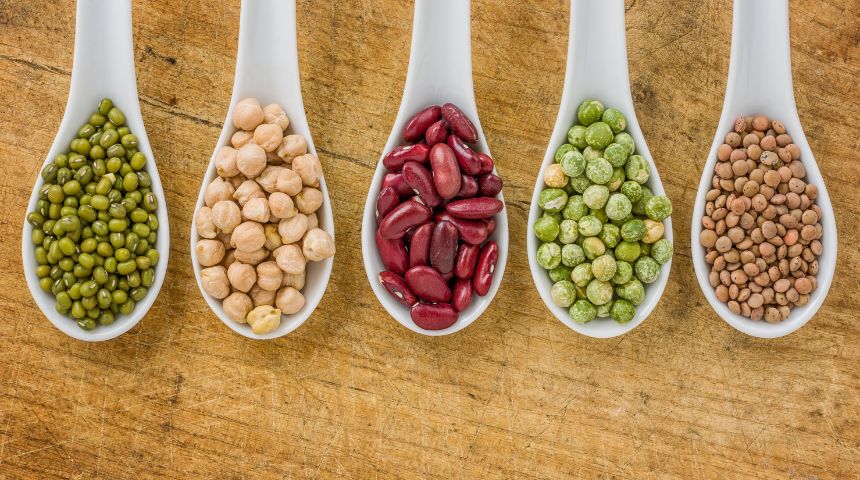
Beans, lentils, chickpeas and split peas are very beneficial for diabetes. Legumes have a unique combination of slow-digesting carbohydrates, fiber and plant-based protein. This combination leads to gradual blood sugar increases rather than sharp spikes. They are also associated with improved insulin sensitivity and better long-term glucose control.
Legumes strongly support GLP-1 activity due to their fiber content and slow digestion, making them one of the most effective carbohydrate sources for diabetics.
6. Nuts and Seeds
Almonds, walnuts, pistachios, chia seeds, flaxseeds and pumpkin seeds are nutrient-dense and low in net carbohydrates. They provide healthy fats, protein and fiber, which together help stabilize blood sugar and prolong fullness. Regular nut consumption has been linked to improved cholesterol levels and reduced inflammation.
The fat and fiber combination in nuts and seeds helps enhance GLP-1 signaling, supporting appetite control and steadier energy levels.
7. Berries
Blueberries, strawberries, raspberries and blackberries are among the most diabetes-friendly fruits. They also make for a healthy, refreshing snack.
They are lower in sugar than many fruits and high in fiber and antioxidants. Berries have a lower glycemic impact and are less likely to cause blood sugar spikes when eaten in appropriate portions.
Their fiber content supports slower digestion and may help maintain healthy GLP-1 responses after meals.
8. Healthy Fats
Avocados, olive oil, nuts and seeds provide monounsaturated and polyunsaturated fats. Healthy fats slow digestion, improve insulin sensitivity and help control hunger. They also support heart health, which is critical for people with diabetes.
Dietary fats help trigger GLP-1 release by slowing gastric emptying and increasing satiety, leading to more stable blood sugar throughout the day.
Foods to Avoid or Limit if You Have Diabetes
Some foods make blood sugar management more difficult and should be minimized. These include:
- Sugary drinks such as soda, sweetened tea, energy drinks and fruit juice.
- Refined carbohydrates like white bread, pastries, white rice and sugary cereals.
- Highly processed snacks and desserts with added sugars.
- Fried foods and foods high in trans fats.
- Packaged foods with excessive added sugars or refined starches.
A diabetes-friendly diet focuses on whole foods rich in fiber, protein and healthy fats. These foods help stabilize blood sugar, support GLP-1 activity and reduce long-term complications, making food one of the most effective tools for diabetes management. If you're unsure about incorporating healthy foods for diabetics into your diet, talk to your healthcare provider.
The information on this website is for general educational purposes only and is not a substitute for professional medical advice. Always consult your doctor or qualified healthcare provider before making changes to your health, diet or treatment plan.